
What Is a Pediatric Orthodontist?
A pediatric orthodontist is a dental specialist who focuses on guiding tooth and jaw development in growing kids. After dental school, they complete two to three additional years of residency training in orthodontics, learning how to diagnose alignment issues, plan care across growth stages, and use age-appropriate appliances. Their practice centers on kids and teens, not adults.
This focused expertise means they understand how to work with young patients, use the right appliances at the right age, and time care to align with natural growth patterns. Picking the right orthodontist for your kids comes down to three things: verified credentials, a kid-friendly environment, and a treatment plan that fits your family.
Unlike general dentists who may offer basic orthodontic services, pediatric orthodontists dedicate their entire practice to alignment and bite correction. They're trained in early intervention strategies that can prevent more complex issues down the road. When your child's smile is at stake, that specialized training makes a real difference for families.
How Do You Choose the Right Orthodontist for Your Children?
Selecting an orthodontist is easier when you break it into clear steps. The quickest way to narrow your options is to verify training, tour two or three offices, ask about treatment philosophy, observe how the team treats kids, and review the financial details. Each step helps you compare practices and feel confident in your choice.
How Do You Verify Board Certification and Specialty Training?
Start by confirming the orthodontist completed an accredited residency program. Board-certified orthodontists have demonstrated advanced competency through rigorous examination. At Kids Care Dental and Orthodontics, our orthodontic team includes Dr. Companioni, an orthodontic specialist with DDS, MS credentials and focused training in treating kids and teens. When you visit, ask about training, listen carefully to how they explain their approach, and take notes so you can compare practices side by side.
Why Schedule Consultations at Two to Three Practices?
Most orthodontic offices offer a free ortho consult. Use these visits to get a feel for the space, meet the team, and see how your child responds. Pay attention to how the team interacts with younger patients. Do they get down to your child's level? Do they explain things in kid-friendly terms? A short visit can reveal a lot.
What Should You Ask About Treatment Philosophy and Modern Solutions?
Ask about the kinds of cases they typically handle. Do they offer phase one treatment for younger kids? What about Spark aligners for teens? Practices that invest in modern solutions like iTero digital scanning and 3D printing tend to provide more comfortable, precise care experiences for families.
How Do You Assess the Office Environment?
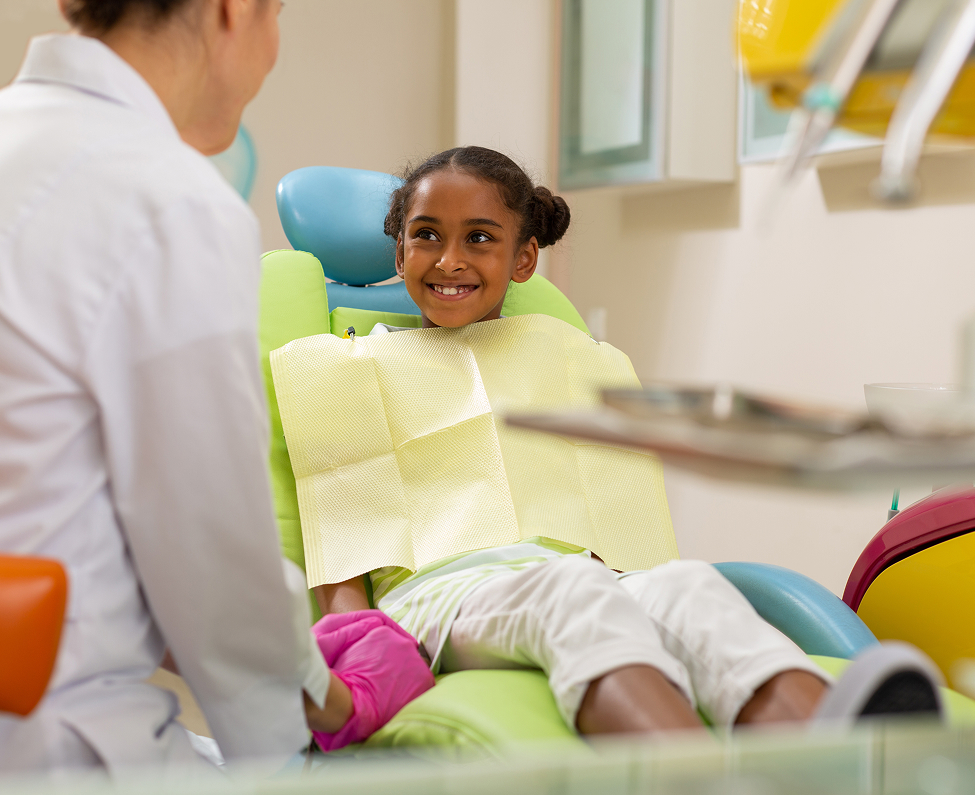
Your child will visit this space regularly for months or even years. Look for a kid-friendly environment where kids feel comfortable. Bright colors, friendly faces, and a welcoming atmosphere go a long way. The vibe matters.
What Financial Details Should You Confirm?
Before committing, understand your insurance coverage, available payment plans, and what's included in the quoted price. Many practices offer low monthly payments to make care accessible for families. Our pediatric specialists will walk you through every line item so there are no surprises.
Benefits of Choosing the Right Orthodontist for Your Child
The orthodontist you choose affects how smoothly visits go, how well your child cooperates, and how soon issues get caught. A good fit means earlier detection, calmer appointments, better follow-through at home, and access to the full menu of treatment options. Here's why taking time to find the right match matters.
How Does Early Detection Improve Outcomes?
Experienced orthodontists spot developing issues before they become major problems. Catching a crossbite or crowding early often means simpler, shorter care later, and fewer appliances along the way. Our board-certified orthodontic specialists, including Dr. Companioni (DDS, MS), look for subtle signs that often go unnoticed during routine pediatric visits.
Why Do Specialists Deliver More Efficient Care?
Orthodontists who focus exclusively on alignment see patterns that general practitioners might miss. This expertise often translates to more predictable timelines and fewer surprises.
Why Do Kids Cooperate Better in Comfortable Settings?
When your child feels safe and understood, they're more likely to follow instructions, wear their appliances, and maintain good oral hygiene. A positive experience today builds healthy habits for life.
Which Treatment Options Should a Specialist Offer?
From traditional braces and aligners to space maintainers and growth modification appliances, our team offers solutions matched to your child's specific needs. You won't be limited to a one-size-fits-all approach.
Lower Risk of Complications During Care
Proper training reduces the chance of setbacks during care. When issues do arise, experienced orthodontists know how to adjust quickly and keep things on track.
Pediatric Orthodontist vs. General Dentist: Key Differences
Understanding what sets these providers apart helps you make an informed choice for your family. A pediatric orthodontist completes specialty residency training in alignment, while a general dentist provides broad oral health services without that specialty residency.
| Factor | Pediatric Orthodontist | General Dentist |
|---|---|---|
| Training | 2-3 year specialty residency after dental school | No additional orthodontic residency required |
| Focus | Exclusively alignment and bite correction | Broad range of dental services |
| Modern Solutions | Advanced imaging, digital scanners, specialized appliances | May have limited orthodontic equipment |
| Case Complexity | Handles moderate to severe malocclusions | Best suited for mild cases or referrals |
| Age Range | Pediatric orthodontists specialize in growing kids and teens | Treats all ages for general dental needs |
When Does Each Provider Make Sense for Your Family?
For routine exams and cavity prevention, your pediatric dentist is the go-to provider. But when it comes to straightening teeth, correcting bite issues, or guiding jaw growth, a pediatric orthodontist's specialized training becomes essential. Some families prefer a practice that offers both pediatric dentistry and orthodontics under one roof, since kids get continuity of care from a team they already know.
How Much Does Children's Orthodontics Cost?
Most families can expect to pay somewhere between $3,000 and $7,000 for full orthodontic care, with phase one treatment often falling on the lower end and complex cases on the higher end. The final number depends on the type of treatment, the length and complexity of the case, your insurance, and the financing options offered by the practice. Kids Care Dental and Orthodontics works with families to keep pricing clear and easy to understand.
How Does Treatment Type and Complexity Affect Cost?
Traditional metal braces, Spark clear aligners, and phase one treatment each come with different price points. Clear aligners often cost slightly more than traditional braces, while early intervention varies based on complexity. Simple cases requiring minor movement cost less than situations involving jaw alignment or multiple phases of care. Our team will explain what your child needs during the free consultation.
How Does Insurance Coverage Apply to Orthodontics?
Many dental insurance plans include orthodontic benefits for kids, often with a lifetime maximum benefit somewhere between $1,000 and $3,000 per child. Check whether the practice participates in your network, since in-network providers typically mean lower out-of-pocket costs. Our front-desk team can call your carrier and break down the numbers before you commit.
What Payment Plans Are Available?
Look for practices offering low monthly payments that fit your budget. Many orthodontic offices allow you to spread costs over the care period with little or no interest, so the monthly amount feels manageable.
What's Included in the Quoted Price?
Ask what the quoted fee covers. Does it include retainers after care wraps up? Emergency visits if a bracket breaks? Follow-up appointments? Knowing the full picture prevents surprise expenses later.
When Should Your Child See an Orthodontist?
Timing matters in orthodontics. A first visit at the right age can simplify care and improve results.
Why Is Age 7 the Recommended First Visit?
According to the American Association of Orthodontists, kids should have their first orthodontic evaluation by age 7. At this age, enough permanent teeth have emerged to identify potential issues, yet there's still time to guide growth if needed.
What Signs Mean It's Time to Schedule a Visit?
Schedule a free ortho consult if you notice:
- Crowded or overlapping teeth
- Difficulty biting or chewing
- Teeth that don't meet properly when your child closes their mouth
- Persistent thumb-sucking past age 5
- Early or late loss of baby teeth
- Mouth breathing or snoring
What's the Difference Between Phase One and Phase Two Care?
Phase one treatment usually happens between ages 7 and 10. It tackles specific issues while your child still has baby teeth. Think expanders, space maintainers, or partial braces. Phase two care comes later, typically in the teen years, once all permanent teeth have shown up. Not every kid needs both phases.
When Do Most Teens Start Full Treatment?
Most kids begin full orthodontic care between ages 11 and 14, taking advantage of growth spurts when all permanent teeth are present. Teens who'd rather skip the look of metal braces often choose Spark clear aligners. The removable trays work well for many cases and fit easily into busy schedules.
Frequently Asked Questions
How do I know if my child needs braces?
Common signs include crooked teeth, gaps, overbite, underbite, or difficulty chewing. However, some issues aren't visible to parents. That's why the American Association of Orthodontists recommends an evaluation by age 7. An orthodontist can identify problems you might not notice and advise whether care is needed now or later.
What questions should I ask at the orthodontic consultation?
Come prepared with questions about the orthodontist's training and experience with kids. Ask what care options they recommend and why. Inquire about expected timeline, total cost, payment options, and what happens if issues arise during care. Don't forget to ask how often your child will need appointments, and whether evening or Saturday availability is offered.
How long does children's orthodontic treatment take?
Care length varies based on the complexity of your child's case. Phase one treatment typically lasts 6 to 12 months. Full treatment with braces or aligners usually takes 12 to 24 months. Our team will provide a more specific estimate after examining your child.
Are clear aligners suitable for kids and teens?
Yes, Spark clear aligners are suitable for many kids and teens. They're particularly popular with teenagers who want a less noticeable option. But they only work if kids actually wear them consistently, so maturity and follow-through matter. Our pediatric specialists, including Dr. Companioni (DDS, MS), will help determine if your child is a good candidate based on their specific needs.
Does insurance typically cover children's orthodontics?
Many dental insurance plans include orthodontic benefits for kids, often covering a portion of care costs. Coverage varies widely between plans, so check your specific policy. The team at Kids Care Dental and Orthodontics can help verify your benefits and explain what to expect before care begins.
What happens if my child loses or breaks a retainer after treatment?
Lost or broken retainers are common, especially with younger kids who might wrap them in a napkin at lunch. Call your orthodontist as soon as possible so they can scan or take an impression for a replacement. Wearing a retainer consistently after care is what keeps your child's smile aligned for the long haul, so don't wait to address it. Many practices keep digital scans on file, making replacements faster and easier than they used to be.