
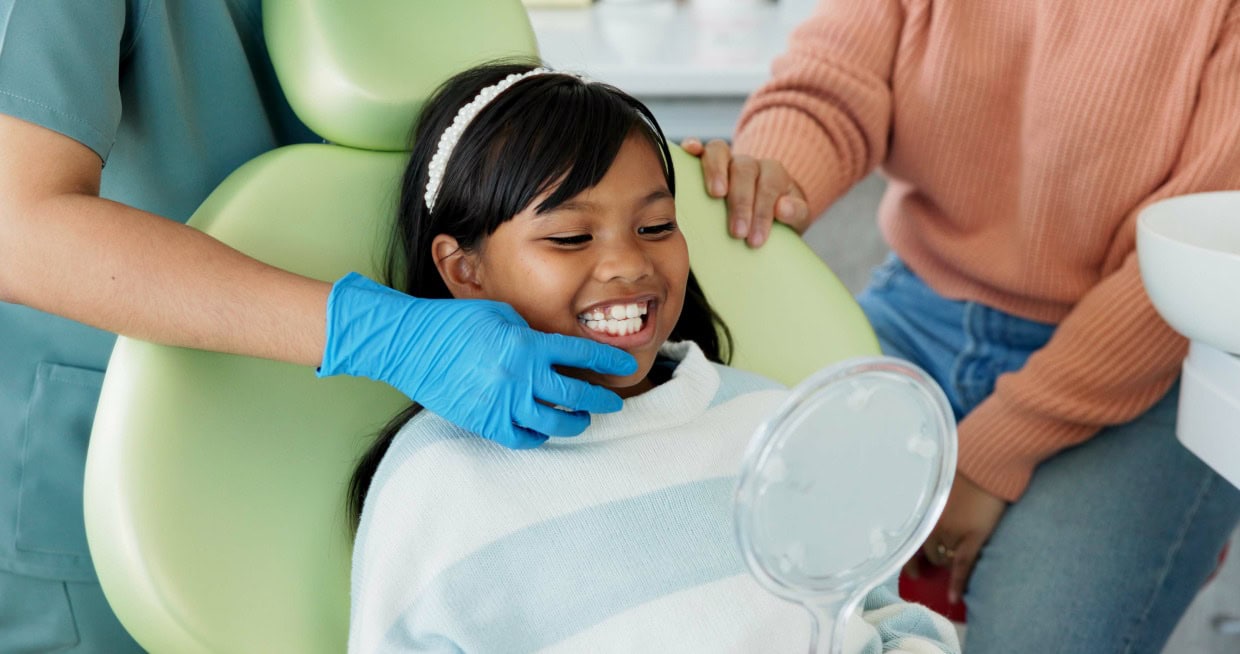
When you're searching for an orthodontist for your child, training matters more than you might realize. Yes, it makes a real difference. An orthodontist with pediatric dentistry experience understands how kids' mouths develop from infancy through the teen years, spots problems earlier, and uses age-appropriate techniques that keep young kids comfortable. That dual training shapes everything from how a visit feels to how treatment is timed.
Pediatric dentistry experience brings specialized knowledge about how kids' mouths develop over time. At Kids Care Dental and Orthodontics, this dual focus shapes every visit. It's not just about straightening teeth. It's about understanding the whole picture of your child's oral health.
Pediatric dentistry covers everything from baby teeth to permanent teeth, including how to work with kids at every age. When an orthodontist has this background, they can spot how growing jaws and emerging teeth will affect alignment long before problems become obvious. They know that a 7-year-old's mouth is nothing like a 14-year-old's, and they adjust their approach accordingly.
This dual expertise combines behavior management skills with growth tracking and bite correction. A general orthodontist might focus primarily on teens and adults. An orthodontist trained in pediatric care knows how to make young kids feel comfortable while planning treatment that works with their development, not against it.
What Does Pediatric Dentistry Experience Mean for an Orthodontist?
Pediatric dentistry experience means an orthodontist has studied how children grow, behave, and respond to care, not just how teeth align. That training covers tooth eruption patterns, jaw development, oral habits, behavior guidance, and accommodations for kids with sensory or medical needs. It's the difference between treating a small mouth and treating a growing child.
An orthodontist with this background sees the whole picture. They understand why a 6-year-old might need a different approach than a 12-year-old. They know which baby teeth signal future crowding when they fall out early. They recognize that a thumb-sucking habit at age 4 is different from one at age 8. That context informs every recommendation they make.
How a Dual-Trained Orthodontist Approaches Children's Care
The first visit sets the tone. A dual-trained orthodontist looks at more than just tooth alignment during a first evaluation. They're tracking tooth eruption patterns, watching how the jaw is growing, and noting any habits like thumb-sucking that could affect development.
When Does Phase One Treatment Begin?
Phase one treatment often begins around age 7, when the American Association of Orthodontists recommends that first check. Early intervention can guide jaw growth and create space for permanent teeth before crowding becomes severe. Not every child needs phase one treatment, but having a provider who can identify the right candidates makes a real difference. In some cases, this early approach can reduce the scope of later treatment.
How Does Coordination Between Services Help?
Here's where pediatric experience really shows: coordination. When your child's routine exams, cleanings, and orthodontic care happen under one roof, nothing falls through the cracks. Your orthodontist already knows about that cavity that was filled last month or the baby tooth that's taking its time coming out.
For kids who feel anxious or have special healthcare needs, hospital and sedation dentistry options provide extra support. A provider familiar with pediatric care understands when these services are appropriate and how to make the visit as positive as possible for families.
Treatment doesn't end with braces and aligners. Ongoing monitoring continues until all permanent teeth are in place, helping the results last.
What Are the Benefits of Choosing an Orthodontist with Pediatric Experience?
Choosing the right provider affects more than just your child's teeth. It shapes their entire relationship with dental care for years to come, especially for families who want consistency from the same team.
How Does a Kid-Friendly Environment Reduce Anxiety?
When the space is designed for kids, with colors, activities, and a team trained to work with young families, your child walks in feeling welcome rather than worried. Positive experiences today lay the foundation for lifelong oral health habits. Everything we do is meant to help kids feel comfortable and at ease.
Earlier Identification of Problems
Bite issues, spacing concerns, and even airway problems often show up years before they'd be caught by a general orthodontist. A pediatric-trained provider spots these signs early, when treatment is typically simpler and less involved.
Smoother Transitions Between Services
Your child can move from a routine exam to a braces consultation without switching offices or explaining their history to a new team. When the dental and orthodontic teams sit side by side, they talk to each other about your child's care every day, which means fewer gaps and a plan that fits your child specifically.
Age-Appropriate Behavior Techniques
Tell-show-do explanations, distraction methods, and patience with wiggly kids aren't skills every orthodontist has practiced. Pediatric experience means your provider knows how to connect with your child at their level.
Time Saved for Busy Families
When dental and orthodontic care happen in the same place, you're not juggling multiple providers across town. That's time back in your schedule, which is a real win for families balancing school, sports, and everything else.
Pediatric-Experienced Orthodontist vs. General Orthodontist
The key difference comes down to scope and setting: a pediatric-experienced orthodontist treats the whole growing child, while a general orthodontist focuses mainly on alignment.
| Factor | Pediatric-Experienced Orthodontist | General Orthodontist |
|---|---|---|
| Training | Includes child development, behavior management, and early intervention | Focuses primarily on alignment and bite correction |
| Office Environment | Designed for kids with age-appropriate activities and decor | May be designed for teens and adults |
| Treatment Scope | Early interceptive care through full braces | Often begins treatment in teen years |
| Comfort Techniques | Tell-show-do, sedation options, sensory accommodations | Standard adult-focused chairside approach with fewer kid-specific tools |
| Care Continuity | Dental and orthodontic services integrated | Typically requires separate dental provider |
The training difference is significant. At Kids Care Dental and Orthodontics, our pediatric specialists and orthodontic team bring credentials that reflect years of additional study beyond dental school. When these specialties work together, your child benefits from expertise in both areas.
Office environment matters more than many parents realize. A space built for kids feels different the moment you walk in. Everything we do is designed to make kids feel comfortable and confident.
Treatment scope expands with pediatric experience. Rather than waiting until all permanent teeth are in, a pediatric-trained orthodontist can begin phase one treatment when it will have the most impact on jaw development.
Comfort techniques vary widely between practices. Sensory accommodations for children with autism or ADHD, hospital and sedation dentistry for anxious kids, and simple patience with younger ones all require specific training and practice.
What Are the Cost Factors for Pediatric-Experienced Orthodontic Care?
Cost depends on five main factors: the phase of treatment, your insurance benefits, whether dental and orthodontic services are integrated, the payment plans available, and whether specialized care like sedation is needed. Each of these can shift the total investment up or down. Understanding them ahead of time helps families know what to budget.
How Does Phase One vs. Phase Two Pricing Work?
Phase one treatment typically costs less than full braces because it's more limited in scope. However, some children need both phases, which affects total investment. Your orthodontist should explain what to expect before treatment begins so you know what to expect at every step.
How Does Insurance Coverage Apply?
Many dental insurance plans include orthodontic benefits for children. Coverage often applies once per lifetime, so timing matters. Ask about what your plan covers before starting treatment, and check whether phase one care is covered separately from full braces.
Do Integrated Services Reduce Costs?
When dental and orthodontic care happen in the same practice, families may save on diagnostic imaging and exams that would otherwise be duplicated. Many families find this more economical than visiting separate specialists in different offices.
Are Payment Plans Available?
Many practices offer payment plans that make treatment more accessible. Ask about options during your free consult so you can see what fits your family's budget.
What About Specialized Services?
Hospital and sedation dentistry add fees but may be essential for kids with significant anxiety or special healthcare needs. These services require extra training, equipment, and staff. The fees reflect the specialized care provided and the extra preparation each visit requires.
Is Your Child a Candidate for Early Orthodontic Evaluation?
According to the American Association of Orthodontists, every child should have an orthodontic evaluation by age 7. This doesn't mean treatment starts at 7. It means problems can be identified early when they're often easier to address.
Signs that suggest an evaluation is needed include:
- Crowded or overlapping teeth
- Crossbite, overbite, or underbite
- Effects from thumb-sucking or pacifier use
- Mouth breathing or snoring
- Difficulty chewing or biting
- Speech concerns that may relate to tooth position
- Early or late loss of baby teeth
Early evaluation does not always mean immediate treatment. Often, the orthodontist will recommend monitoring your child's development and beginning treatment later when timing is right. Starting early can, in some cases, reduce the need for more extensive treatment down the road.
Children with special healthcare needs benefit particularly from providers experienced in pediatric care. Whether your child has autism, sensory sensitivities, or medical conditions affecting their oral health, a practice equipped to accommodate these needs makes every visit smoother.
Practices that combine pediatric dentistry and orthodontics under one roof offer continuity of care from a team your child already knows and trusts, which is something many families look for when choosing a long-term provider.
Frequently Asked Questions
At what age should my child first see an orthodontist?
The American Association of Orthodontists recommends a first evaluation by age 7. At this age, enough permanent teeth have come in to identify potential issues with jaw growth and tooth alignment. Early visits are about assessment, and treatment may not start for years.
What's the difference between a pediatric dentist and an orthodontist?
A pediatric dentist focuses on overall oral health for kids, including cleanings, cavity treatment, and preventive care. An orthodontist specializes in alignment and bite correction using braces and aligners. When one provider has experience in both areas, your child receives more coordinated care. At Kids Care Dental and Orthodontics, specialists across both fields work together so your family doesn't have to bounce between offices.
Can one provider handle both my child's cleanings and braces?
Yes, when you choose a practice that offers both pediatric dentistry and orthodontics. This integrated approach means fewer appointments, better communication between providers, and a team that already knows your child's complete dental history.
Are clear aligners appropriate for children?
Spark clear aligners can work well for some kids, depending on their specific orthodontic needs and maturity level. Clear aligners require responsibility. They must be worn consistently and removed only for eating and brushing. Your orthodontist will recommend the best option for your child's situation.
How do I know if my orthodontist has pediatric experience?
Ask directly about training and credentials. Look for specialty training in pediatric dentistry or orthodontics, and ask how many young kids the practice treats each week. Notice whether the space is designed for kids. A practice that treats primarily kids will feel different from one focused on adults.
What if my child is nervous or has special needs?
A pediatric-experienced orthodontist offers techniques specifically for anxious or special-needs kids. These may include tell-show-do explanations, sensory accommodations, or hospital and sedation dentistry for more complex situations. Discuss your child's needs during your free consult so the team can prepare accordingly.
Pediatric experience gives an orthodontist tools, training, and perspective that translate directly into better care for growing kids. Knowing what to look for, from early evaluation timing to integrated services and age-appropriate comfort techniques, helps families make confident choices about where their child receives orthodontic care.