
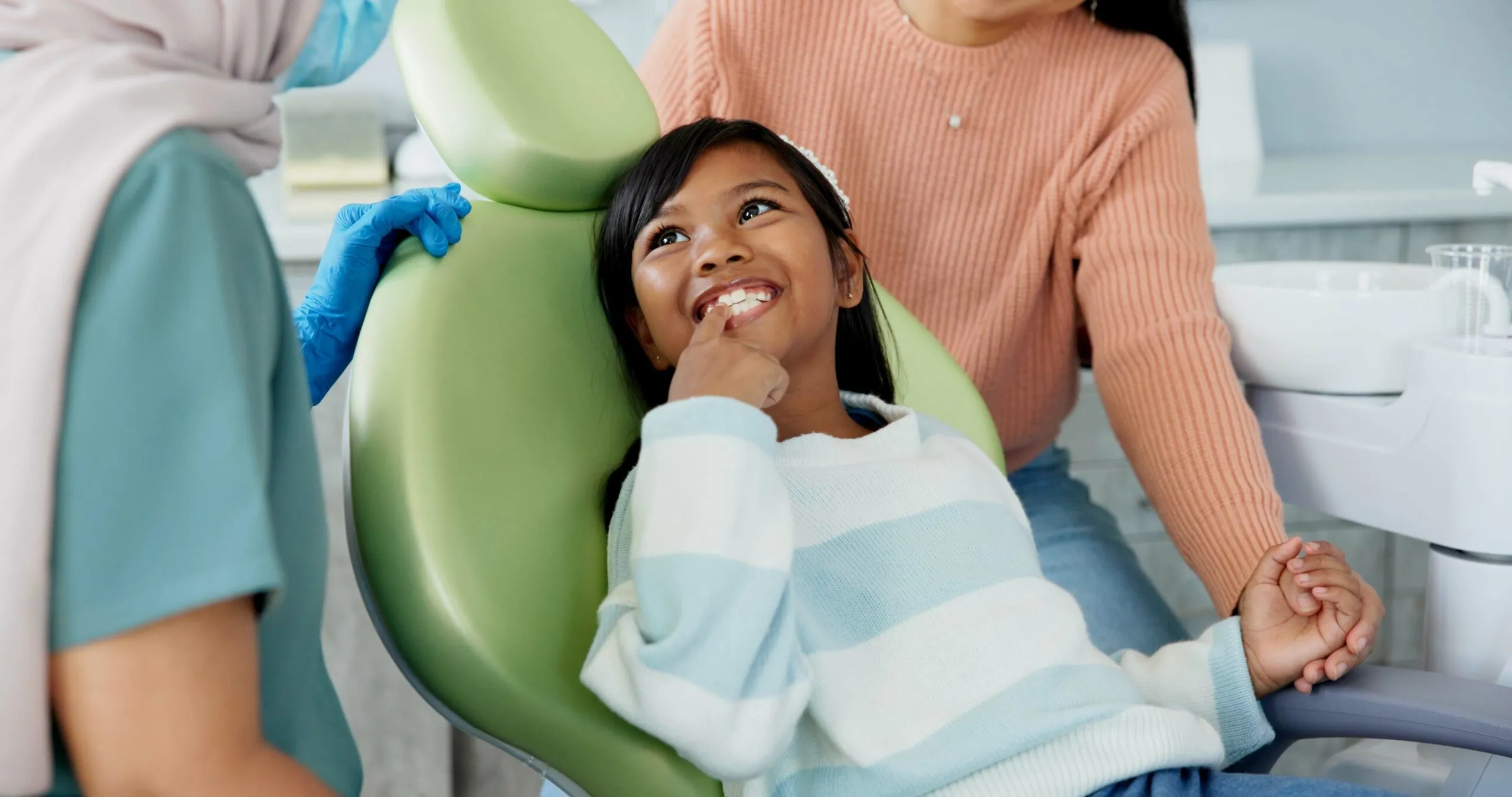
When it comes to children’s oral health, it’s easy to assume that baby teeth—also known as primary teeth—aren’t that important. After all, they eventually fall out and get replaced by permanent teeth. So why worry too much about cavities or crowding in teeth that won’t be around for the long haul?
It turns out, baby teeth play a much bigger role than just helping kids chew or smile. In fact, healthy primary teeth set the foundation for lifelong dental health. Ignoring them can lead to more serious issues later on, both for your child’s smile and overall well-being.
If you’ve ever wondered whether baby teeth really matter, here’s what every parent should know.
What Are Baby Teeth, and When Do They Come In?
Baby teeth usually begin to erupt around 6 months of age and continue emerging until about age 3. Most children have a full set of 20 primary teeth by the time they’re toddlers. These teeth typically start to fall out around age 6, making way for the adult (permanent) teeth to come in through the early teen years.
Though they’re temporary, baby teeth are fully functional and serve many important purposes during early childhood.
Why Baby Teeth Matter More Than You Might Think
1. They Help Your Child Eat and Speak Properly
Baby teeth allow children to chew food efficiently, which is essential for proper nutrition and healthy growth. Missing or decayed teeth can make eating difficult or painful, leading some children to avoid certain foods—or not get enough of the nutrients they need.
Primary teeth also play a key role in speech development. They help form sounds and guide the tongue during speaking. When teeth are missing too early or aren’t aligned correctly, it can affect how clearly your child speaks.
2. They Hold Space for Permanent Teeth
One of the most important roles of baby teeth is acting as placeholders for the adult teeth growing beneath the surface. Each baby tooth helps guide a permanent tooth into its proper position. If a baby tooth is lost too early—due to decay or injury—the surrounding teeth can shift into that space. This can block permanent teeth from coming in correctly, increasing the risk of crowding or alignment issues.
In some cases, early tooth loss may lead to the need for space maintainers or even early orthodontic intervention.
3. They Support Healthy Jaw and Facial Development
The presence of baby teeth helps stimulate normal jawbone growth and facial muscle development. Chewing, speaking, and using the jaw in everyday ways all contribute to how the face shapes and grows.
If baby teeth are lost early or don’t erupt correctly, it can alter how the jaw develops—potentially affecting bite alignment, facial symmetry, and more.
4. They Build the Foundation for Positive Oral Health Habits
Taking care of baby teeth teaches children the importance of brushing, flossing, and regular dental visits. These early habits tend to stick with kids as they grow. When children experience dental problems early in life, they may associate dental care with fear or pain—leading to avoidance and long-term oral health issues.
On the other hand, when dental care is a positive, consistent part of life from the beginning, children are more likely to carry those habits into adulthood.
5. Untreated Cavities in Baby Teeth Can Lead to Serious Issues
Cavities in baby teeth aren’t “harmless” just because those teeth will fall out. Tooth decay in young children can progress rapidly and, if left untreated, may lead to:
- Pain and sensitivity
- Difficulty eating and sleeping
- Infections or abscesses
- Gum disease
- Damage to developing adult teeth beneath the surface
In some cases, untreated dental infections can even affect a child’s overall health. That’s why the American Academy of Pediatric Dentistry emphasizes early prevention and treatment for children—even before all the teeth have come in.
Common Myths About Baby Teeth—And the Truth
Let’s clear up a few common misconceptions:
Myth 1: “They’re just going to fall out anyway.”
Truth: Yes, but how and when they fall out can affect adult teeth, speech, bite, and jaw growth.
Myth 2: “Cavities in baby teeth aren’t a big deal.”
Truth: They can cause pain, infection, and long-term damage—so they absolutely need to be treated.
Myth 3: “If baby teeth come in late or crooked, it’s nothing to worry about.”
Truth: Delays or misalignment could signal developmental concerns and may benefit from early evaluation.
How to Keep Baby Teeth Healthy
Caring for your child’s baby teeth doesn’t need to be complicated, but consistency is key. Here are a few important habits to start early:
- Start brushing as soon as teeth appear — Use a soft-bristled toothbrush and a smear of fluoride toothpaste.
- Brush twice a day — Especially before bed, to remove bacteria and food debris.
- Avoid sugary drinks and snacks — Frequent exposure to sugar increases cavity risk.
- Never put a baby to bed with a bottle — This can cause “baby bottle tooth decay.”
- Schedule the first dental visit by age 1 — Or within 6 months of the first tooth appearing.
- Teach proper brushing and flossing — And supervise until your child can do it effectively on their own (usually around age 6–8).
Most importantly, make oral care a normal and positive part of your child’s routine. Singing songs, brushing together, and offering praise can all help.
The Bottom Line: Baby Teeth Are a Big Deal
While they may only be around for a few years, baby teeth play a powerful role in your child’s early development and future oral health. From helping them speak and eat, to guiding permanent teeth into place, these tiny teeth deserve just as much care and attention as their adult counterparts.
Need Help Protecting Your Child’s Smile?
Whether your child is teething, has a full set of baby teeth, or is starting to lose them—regular dental checkups are the best way to keep their smile healthy at every stage.
At Kids Care Dental and Orthodontics in Plantation, FL, we specialize in gentle, preventative care for children. Our experienced team understands how to make every visit positive, comfortable, and tailored to your child’s age and needs.
Schedule your child’s appointment today and keep their baby teeth strong, healthy, and on track for a lifetime of happy smiles.