
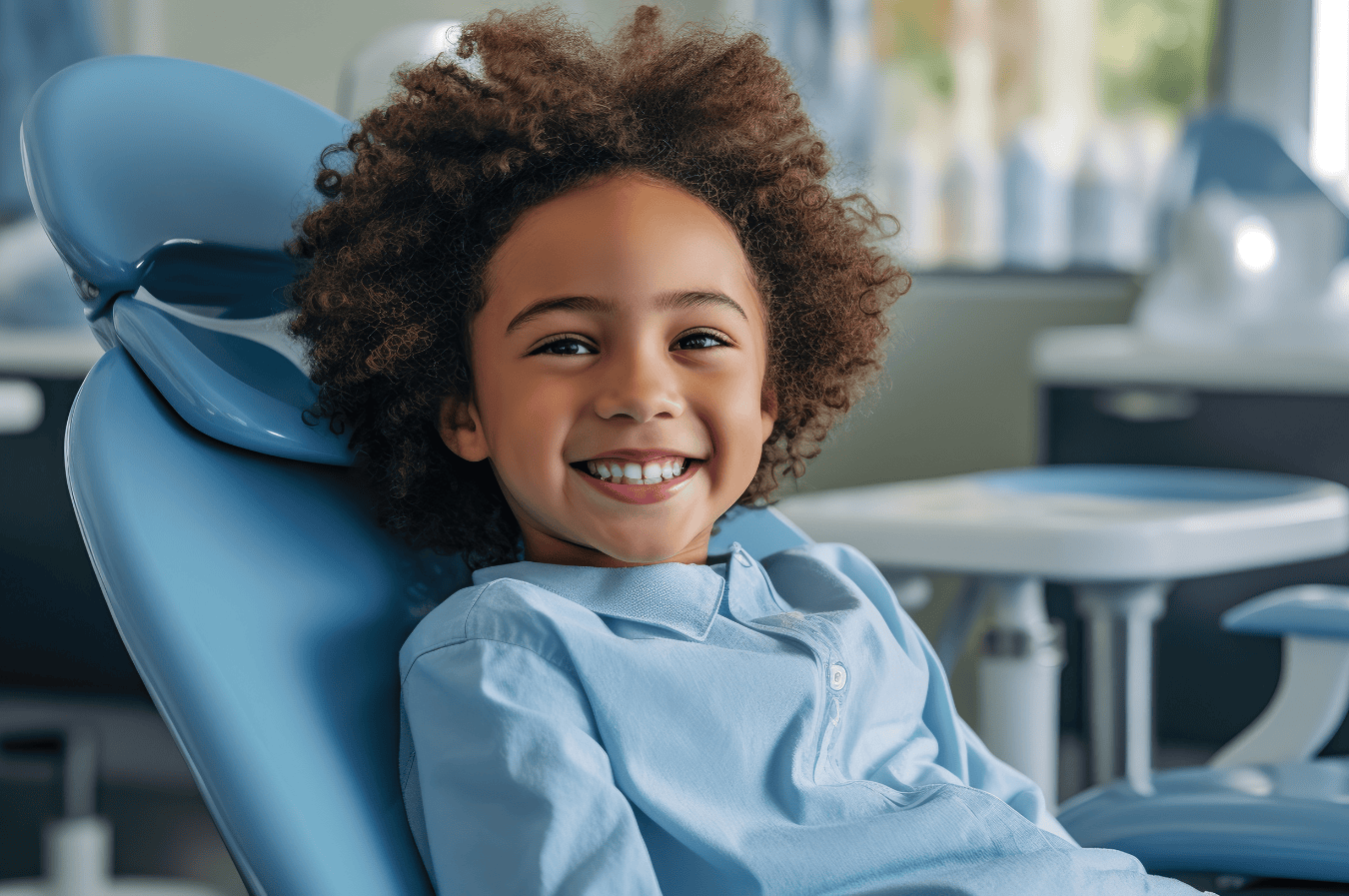
As a parent, you want to give your child every advantage when it comes to their health—and that includes their oral health. While many people associate orthodontic treatment with the teen years, the process often starts much earlier. In fact, early evaluations can play a crucial role in setting the stage for a healthier, more confident smile.
But when is the right time to bring your child to see an orthodontist? The answer may surprise you.
The Recommended Age: Why 7 Is the Magic Number
According to the American Association of Orthodontists (AAO), children should have their first orthodontic evaluation by age 7. At this age, most kids have a mix of baby teeth and permanent teeth, which allows an orthodontist to evaluate how the mouth is developing and identify potential issues before they become more serious.
Even if no treatment is needed right away, this early evaluation gives parents valuable insight into their child’s dental growth and development. In some cases, the orthodontist may recommend monitoring growth over time, while in others, early intervention could help guide jaw alignment or create space for incoming teeth.
What Happens During an Early Orthodontic Evaluation?
A first orthodontic visit at age 7 is typically straightforward and painless. It includes:
- A review of dental and medical history
- A visual examination of the teeth and jaw
- Digital X-rays or scans (if needed) to evaluate tooth position and bone structure
- A discussion about how the child’s teeth and bite are developing
This evaluation allows the orthodontist to determine if everything is on track—or if early intervention might prevent future complications.
Common Orthodontic Issues That Can Be Spotted Early
Even if your child’s teeth appear straight, there may be underlying alignment or bite issues that aren’t immediately visible. Some of the most common problems identified during an early orthodontic check include:
- Crossbite — When the upper and lower teeth don’t align properly when the mouth is closed
- Overbite or underbite — Issues with jaw growth that affect how the top and bottom teeth come together
- Crowding — Insufficient space in the jaw for permanent teeth to come in correctly
- Spacing — Too much space between teeth, which can impact function and appearance
- Protruding teeth — Teeth that stick out, increasing the risk of injury or self-consciousness
- Thumb-sucking impact — Long-term thumb or finger habits can shift teeth and affect bite alignment
- Premature or delayed tooth loss — Losing baby teeth too early or too late can affect how permanent teeth erupt
Catching these issues early can make treatment easier, shorter, and less complex.
Benefits of Early Orthodontic Evaluation
Even if braces or clear aligners aren’t needed right away, an early evaluation comes with several benefits:
- Prevents more serious problems — Early intervention can guide jaw growth and create space for adult teeth
- Improves facial symmetry — Identifying bite issues early can help balance facial development
- Reduces need for extractions — Creating space early may eliminate the need for pulling permanent teeth later
- Shortens future treatment time — Early adjustments can streamline orthodontic care in the teen years
- Boosts confidence — Kids can feel better about their smile during key developmental years
In many cases, early treatment is followed by a resting phase and then a second phase of treatment during adolescence. This approach, called two-phase treatment, ensures the best long-term outcome.
What If My Child Is Older Than 7?
If your child is older than 7 and hasn’t seen an orthodontist yet, it’s not too late! Many children and teens begin orthodontic treatment between ages 10 and 14, when most permanent teeth are in and jaw development is still underway.
However, waiting too long to address certain issues can make treatment more complicated—or limit certain options. That’s why it’s always better to have an evaluation sooner rather than later, even if you’re not sure whether your child needs braces or clear aligners.
What’s the Difference Between a Pediatric Dentist and an Orthodontist?
While both focus on oral health, a pediatric dentist and an orthodontist play different roles in your child’s care:
- Pediatric dentists focus on overall dental health, including cleanings, fillings, and cavity prevention.
- Orthodontists specialize in diagnosing and correcting alignment issues with the teeth and jaw.
Pediatric dentists often refer patients to orthodontists when they notice early signs of bite or spacing problems. Some practices offer both services under one roof, which can be especially convenient for families.
How to Know If Your Child Might Need an Orthodontic Evaluation
Even without a referral, you can look for some common signs that your child may benefit from seeing an orthodontist:
- Difficulty biting or chewing
- Mouth breathing
- Jaw clicking or shifting
- Crowded, crooked, or gapped teeth
- Speech difficulties
- Thumb-sucking past age 5
- Protruding teeth
- Teeth that don’t come together properly
If you’ve noticed any of these issues—or if your child is approaching age 7—it may be time to schedule an evaluation.
Orthodontics Is About More Than Just Straight Teeth
It’s easy to assume orthodontics is only about improving appearance, but it plays a much bigger role in overall health. Proper alignment supports better chewing, speech, and long-term oral hygiene. It can also prevent uneven wear on teeth and reduce strain on the jaw.
Early evaluations give families the information they need to plan ahead and make the best choices for their child’s future oral health.
Time for That First Check? Start with a Free Consultation
If your child is around age 7—or if you're noticing signs of crowding, bite issues, or early tooth loss—it’s a good idea to schedule an orthodontic evaluation.
At Kids Care Dental and Orthodontics in Plantation, FL, we make the experience easy, stress-free, and informative. Our team specializes in caring for growing smiles and will walk you through every step of the process. Even if your child doesn’t need treatment right away, you’ll leave the consultation with peace of mind and a plan for the future.
Schedule your child’s free orthodontic consultation today—and take the first step toward a healthier, more confident smile.